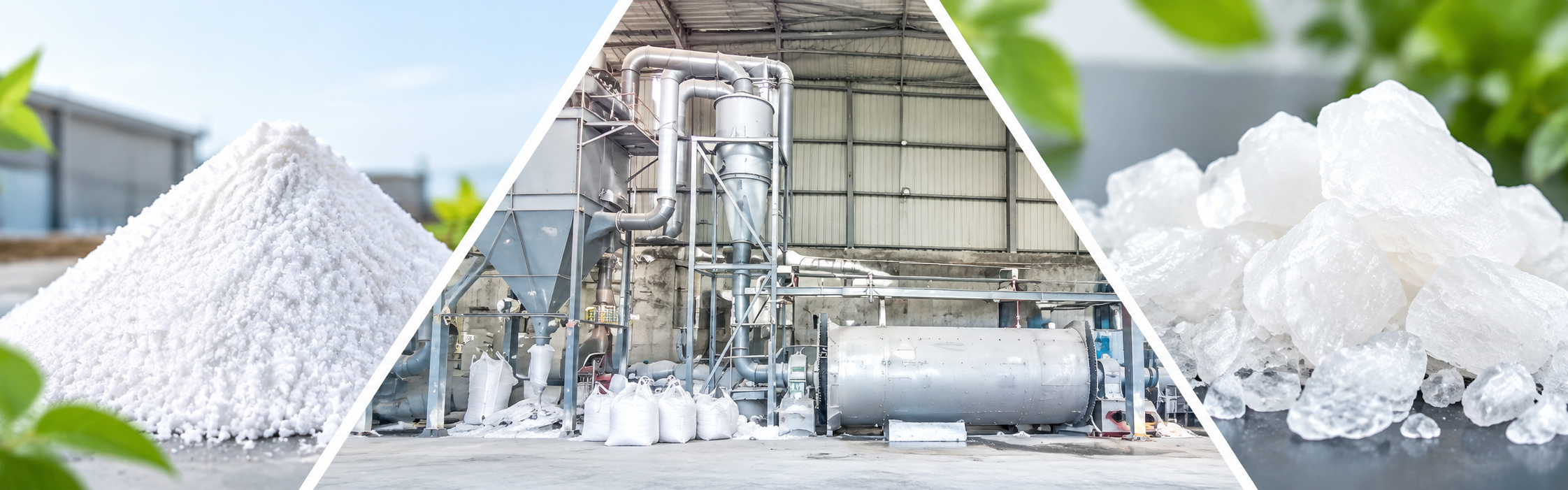
Leading Producer, Manufacturer, and Supplier of Magnesium Sulphate in India
Magnesium Sulphate Distributors in india
Magnesium Sulphate is a widely applicable chemical with many uses both in industry and at home. Due to its high magnesium concentration and multiple applications, Magnesium Sulphate is truly a necessary supply for agriculture, healthcare, and industry as an ingredient. As a reputable chemical supplier, HTMC Group is pleased to supply, manufacture, produce, and distribute top-notch Magnesium Sulphate for our international customers' many needs. HTMC Group is proud to be a leading Magnesium Sulphate suppliers and manufacturer, providing quality, consistency and reliability.
Magnesium sulphate is an inorganic salt composed of magnesium, sulphur, and oxygen, commonly available as MgSO₄·7H₂O and known as Epsom salt. It is a colourless, odourless, highly water-soluble crystal used across agriculture, pharmaceuticals, food processing, cosmetics, and various industrial applications. For quality and reliable sourcing, businesses can connect with Magnesium Sulphate Manufacturers in India and Best Magnesium Sulphate Suppliers in India. A trusted Magnesium Sulphate Distributor in India can also provide consistent supply and suitable packaging for different industrial requirements.
Enquire NowManufacturing Process of Magnesium Sulphate
1. Raw Material Selection
The production of Magnesium Sulphate begins with sourcing high-grade raw materials, primarily magnesium-containing compounds such as magnesium carbonate, magnesium oxide, or magnesium hydroxide. These raw materials are selected based on their purity and compliance with industry standards to ensure the final product meets stringent quality requirements.
2. Reaction with Sulfuric Acid
The raw magnesium compound undergoes a controlled chemical reaction with sulfuric acid. This reaction results in the formation of Magnesium Sulphate. The reaction is carefully monitored to maintain the appropriate stoichiometric balance, ensuring optimal conversion efficiency while minimizing the production of unwanted by-products.
3. Filtration and Purification
After the reaction, the resulting solution contains dissolved Magnesium Sulphate along with any residual impurities. The solution undergoes a series of filtration steps to remove solid impurities and achieve clarity. Advanced filtration techniques ensure that the Magnesium Sulphate is free from particulate matter, ensuring its suitability for various applications.
4. Crystallization
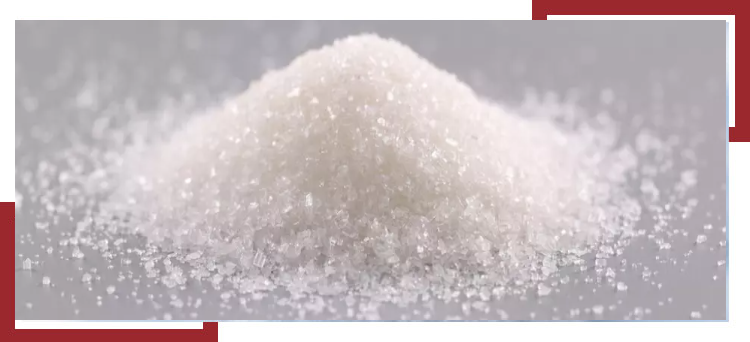
The purified solution is then subjected to controlled cooling or evaporation processes to induce crystallization. This step allows Magnesium Sulphate to form its characteristic crystal structure. The conditions, such as temperature and evaporation rate, are optimized to produce crystals of the desired size and quality.
5. Drying
The crystalline Magnesium Sulphate is collected and transferred to drying equipment. The drying process removes excess moisture from the crystals, yielding a dry, stable product suitable for packaging. Modern drying techniques ensure energy efficiency and consistent quality.
6. Quality Control and Testing
At every stage of the manufacturing process, rigorous quality control measures are implemented to verify the purity, composition, and physical characteristics of the Magnesium Sulphate. Advanced analytical techniques, including spectroscopy and chromatography, are employed to ensure compliance with industry and customer specifications.
7. Packaging and Distribution
The final Magnesium Sulphate crystals are packed in moisture-resistant and tamper-proof packaging to preserve their integrity during storage and transportation. The packaging is labeled with detailed product information, including batch numbers and safety guidelines, ensuring traceability and customer confidence. As a reliable Magnesium Sulphate distributor, HTMC Group is committed to delivering products that meet the highest standards of quality and safety.
This carefully managed process ensures that HTMC Group delivers Magnesium Sulphate of the highest quality to meet the diverse needs of industries and consumers worldwide.
Applications of Magnesium Sulphate
Magnesium Sulphate is valued for its wide range of applications across industries:
1. Agriculture
Used as a soil conditioner to improve magnesium-deficient soils. It enhances plant growth and boosts crop yields, making it a widely used input for correcting magnesium deficiency in farmland.
2. Pharmaceuticals
Serves as a key ingredient in laxatives and saline cathartics. It is also used in therapeutic baths for muscle relaxation and stress relief, owing to its soothing properties when dissolved in warm water.
3. Food Industry
Acts as a nutrient supplement in food and beverages. Magnesium Sulphate is approved as a food additive for fortifying products with magnesium, supporting nutritional enrichment across various formulations.
4. Chemical Industry
Employed as a precursor in the production of other magnesium compounds. It also functions as a stabilizer in various chemical processes, contributing to consistent reaction outcomes.
5. Cosmetics and Personal Care
Incorporated in skincare products for exfoliation and hydration. It is also used in bath salts for soothing and revitalizing effects, valued for its skin-conditioning benefits.
Enquire NowTechnical Specifications of Magnesium Sulphate
| Parameter | Typical Range / Value | Description |
|---|---|---|
| Appearance | White crystalline powder / granules | Indicates purity and crystal quality |
| Chemical Formula | MgSO4·7H2O | Heptahydrate form (Epsom salt) |
| Assay (MgSO4·7H2O) | Min. 99.0% | Core purity parameter |
| Moisture Content | 0.1 to 1.0% | Affects flowability and stability |
| pH (5% aqueous solution) | 5.0 to 8.0 | Ensures formulation compatibility |
| Magnesium (Mg) Content | 9.6 to 9.9% | Key nutrient/active value |
| Sulphur (S) Content | 12.9 to 13.2% | Key nutrient/active value |
| Heavy Metals | Below regulatory limit | Relevant for food and pharma grades |
| Water Insolubles | Max. 0.01 to 0.05% | Indicates solution clarity |
| Particle Size | Powder, fine crystal, granular (grade-dependent) | Determines application suitability |
| Bulk Density | 0.9 to 1.1 g/cm3 | Packaging and logistics consideration |
Values may vary by grade — technical, food, pharmaceutical and agricultural specifications differ. Custom specifications available on request.
Product Packing Details
HTMC Group packs magnesium sulphate in secure, moisture-resistant packaging suited for both local delivery and long-distance international shipment.
- Package Sizes: 25 kg / 50 kg bags
- Package Type: Multi-layer bags with inner polyethylene liner to prevent moisture ingress
- Bulk Supply: Available in jumbo bags and custom packaging on request
- All packaging is clearly labeled with product grade, batch number, and manufacturing details for full traceability
Safe Handling and Storage
Magnesium sulphate should be stored in a clean, dry and well-ventilated area, away from direct sunlight and excess heat, since prolonged exposure to warm, dry air can cause the crystals to lose part of their bound water. Bags should remain sealed between uses to prevent moisture absorption or caking. Basic protective equipment, including a dust mask and gloves, is recommended when handling the product in bulk. Storage below 30°C in a dry environment helps preserve crystal structure and shelf life.
Enquire Now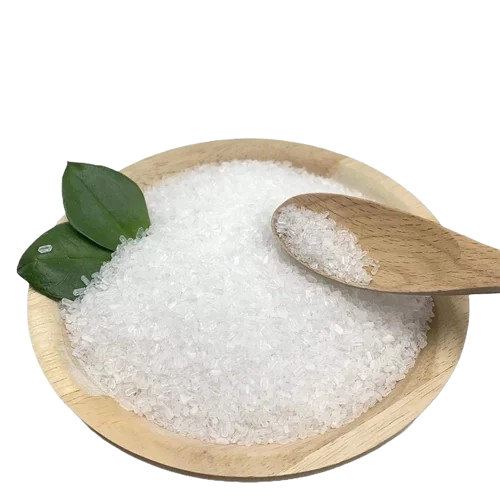
Other Industries We Cater

Cables and Wires

Textile Industry

Pharmaceuticals

Animal Feed

Fiberglass

Paper and Pulp

Rubber Industry

Agriculture
When choosing a supplier for Magnesium Sulphate, HTMC Group stands out due to several key factors:
1. High-Quality Standards: HTMC Group ensures that its Magnesium Sulphate meets international quality standards, providing customers with a reliable and consistent product for agricultural, industrial, and other uses.
2. Versatile Applications: Magnesium Sulphate from HTMC Group is suitable for a variety of applications, including agriculture as a fertilizer, healthcare, and manufacturing processes, ensuring it meets diverse customer needs.
3. Expertise and Experience: With years of experience in the industry, HTMC Group has built a reputation for understanding customer requirements and offering tailored solutions in the supply of Magnesium Sulphate.
4. Timely Delivery: HTMC Group is known for its efficient logistics network, ensuring that orders are processed and delivered on time, minimizing delays for customers.
5. Competitive Pricing: By offering competitive pricing without compromising on quality, HTMC Group makes Magnesium Sulphate an affordable option for businesses and consumers.
6. Sustainable Practices: HTMC Group is committed to sustainability and environmentally friendly practices in the production and supply of Magnesium Sulphate, making it a responsible choice for eco-conscious clients.
7. Customer Support: HTMC Group provides excellent customer service, offering technical support and assistance to help clients with their specific needs related to Magnesium Sulphate.
Frequently Asked Questions
Magnesium sulphate is an inorganic salt formed from magnesium, sulphur, and oxygen. Its most common form, the heptahydrate (MgSO4·7H2O), also carries seven water molecules bound within its crystal structure, which is why it is found as clear, colourless crystals rather than a dry powder in its natural hydrated state.
Magnesium sulphate exists as anhydrous (MgSO4, no water), monohydrate (MgSO4·H2O), and heptahydrate (MgSO4·7H2O). The difference lies in how much water is chemically bound to the crystal. Heptahydrate is the most widely used form in agriculture, pharma, and cosmetics due to its stability and easy solubility, while anhydrous forms are generally reserved for applications needing minimal moisture content, such as certain drying or industrial processes.
Magnesium is a core component of chlorophyll, the molecule plants use to capture sunlight for photosynthesis, while sulphur supports protein and enzyme formation. When soil lacks either nutrient, plants often show yellowing between leaf veins and reduced yield. Because magnesium sulphate dissolves quickly in water, it corrects these deficiencies faster than many other mineral sources, which is why it is commonly used as both a soil drench and a foliar spray.
No. Table salt and Himalayan salt are both sodium chloride (NaCl), an entirely different compound. Magnesium sulphate has no sodium content and a different chemical structure altogether. This distinction matters in agriculture and pharma, where sodium chloride and magnesium sulphate serve completely different purposes and cannot be substituted for one another.
Because the heptahydrate form contains bound water, storing it in a hot, dry environment can cause it to slowly lose moisture and change form, while a humid environment can cause clumping from excess moisture absorption. The ideal storage condition is a cool, dry, well-ventilated space, below roughly 30°C, in sealed, moisture-resistant packaging, which keeps the crystal structure and solubility consistent until use.
Powder mesh available
100
200
300
400
500
600
Packing Available

25kg Packing Bag
50kg Packing Bag

500/100kg Jumbo Packing Bag
Contact Us









×