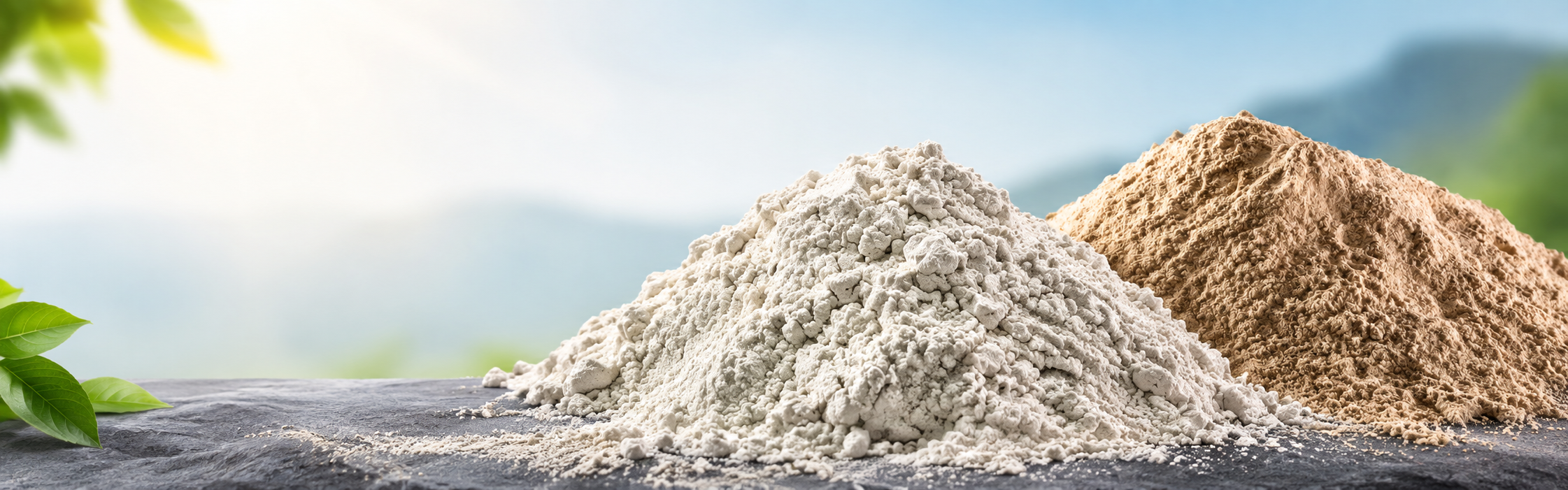
Leading Producer, Manufacturer, and Supplier of Bleaching Clay in India
Bleaching Clay Manufacturers, Suppliers and Exporters from India
HTMC Group is one of the re-known and reputed Bleaching Clay manufacturers in India and is dedicated to delivering quality solutions in many industrial applications. With over 40 years of knowledge and a focus on customer service, we have become one of the foremost Bleaching Clay suppliers in India as well as trusted Bleaching Clay exporters from India.
What is Bleaching Clay?
Bleaching Clay is known as Activated Bleaching Earth or Fuller's Earth. It is an adsorbent mineral formed naturally made up primarily of montmorillonite clay. Bleaching Clay is used in many industrial applications due primarily to its high adsorption capability, especially fuller's earth for refining edible and non-edible oils. Bleaching clay, also known as bleaching earth, is a naturally occurring adsorbent clay, typically derived from bentonite, that is processed to remove unwanted colour pigments and impurities from oils, fats, and select industrial liquids. In its acid-activated form, the clay undergoes a controlled treatment that significantly increases its surface area and porosity, dramatically improving its ability to adsorb carotenoids, chlorophyll, peroxides, soaps, and trace metals during processing. This purification step, commonly called bleaching, is what gives clear, stable, high-quality oil its final appearance and shelf life.
Enquire Now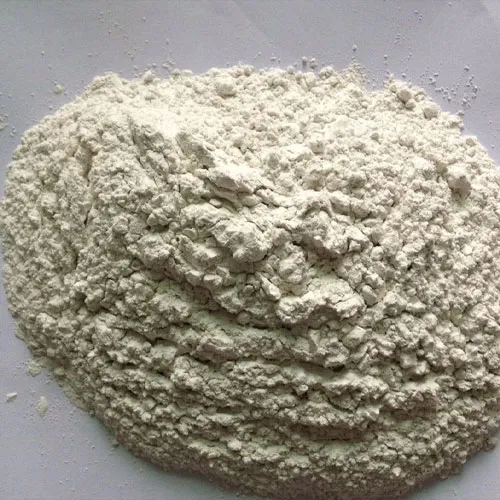
HTMC Group's Bleaching Clay Offerings
We provide a complete range of bleaching clay products to satisfy the needs of our clients at HTMC Group:
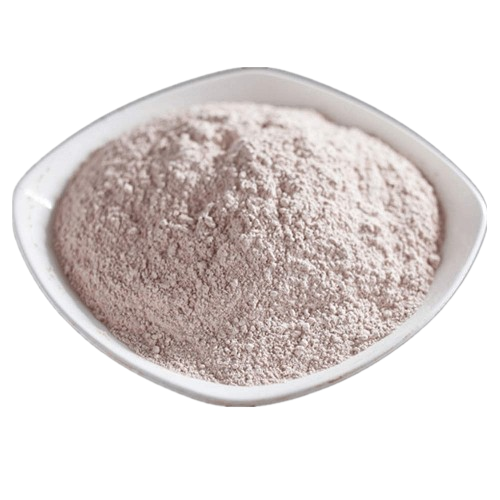
Activated Bleaching Earth
With acid activation, activated bleaching earth is effective at de-colorizing and removing impurities from a variety of edible oils, fats, and mineral oils.
Natural Bleaching Earth
Users may require products that possess lower adsorptive properties when de-colorizing. Natural bleaching earth is used in a variety of processes across multiple industries.
Tailed Grades
Client with specific industrial needs may require a tailored solution using our bleaching clay products.
We have sufficient grade options to achieve effective production and efficiency.
Processing of Bleaching Clay
Bleaching clay is produced from natural clays (mainly bentonite or montmorillonite) to enhance the capability of the clay to remove contaminants from oils and other substances. The primary bleaching clay processing processes are:
1. Mining and Clay Selection
Mining is done; next, clay is chosen on the basis of mineralogical characteristics.
2. Crushing and Grinding
The clay is crushed and milled into a fine powder to increase its surface area for better activation.
3. Drying
Water is drawn out and the clay is made ready for activation.
4. Activation
The clay is activated using acid (i.e., chemical activation) or heat (i.e., thermal activation) to improve its porosity and adsorption capacity.
5. Washing and Neutralization
Excess acid and impurities are washed out from the clay; pH is regulated.
6. Drying
Once again, the clay is dried to eliminate any remaining water.
7. Final Grinding and Screening
Particle size and quality of the clay are regulated.
8. Packaging
The last bleaching clay is packed and ready for industrial application.
Applications & Industrial Uses
Our bleaching clay serves a multitude of purposes across various industries:
1. Oil Refining
Edible Oils: soybean, sunflower palm, cottonseed, mustard, peanut, coconut, corn, olive, rice bran, castor, canola oils, vanaspati ghee oils (hydrogenated oils), margarine, shortening
Non-Edible Oils: paraffins, waxes, insulating oil, rolling oil, white oil, waste oil (lubricating oil), petrochemical industry, BTX process, animal fats, fish oil.
2. Petroleum Products
Lubricants and Waxes: Purity and performance is characterized by cleaning methods for better products.
Decolorization: Removing coloring agents such as carotenoids, chlorophyll, and pheophytin.
Contaminants: Contaminants like gums (phospholipids), free fatty acids (FFA), soap contents, and traces of heavy metals are removed.
3. Personal Care & Cosmetics
Face Masks and Creams: Serves as a foundation with skin nourishing benefits.
Ointments: Used for medicinal products.
4. Pharmaceuticals
Purification: Provides quality and safety of produced medications by removing harmful impurities.
5. Environmental Management
Contaminant Adsorption: Aids in environmental cleanup efforts by adsorbing hazardous waste and contaminants.
Technical Specifications of Bleaching Clay
| Parameter | Typical Range / Value | Description |
|---|---|---|
| Appearance | Light yellow to off-white free-flowing powder | Indicates purity and processing quality |
| Moisture Content | 8 to 15% | Affects flowability and bleaching efficiency |
| pH (10% aqueous suspension) | 3.0 to 6.5 (grade-dependent) | Reflects level of acid activation |
| Bleaching Efficiency | High colour reduction performance | Core performance parameter for oil refining |
| Oil Retention | 25 to 40% | Relevant for filtration and process yield planning |
| Free Fatty Acid Increase | Minimal, within industry tolerance | Quality benchmark for edible oil applications |
| Particle Size | Customizable mesh sizes | Determines filtration and dosing suitability |
| Bulk Density | 0.5 to 0.7 g/cm3 | Packaging and logistics considerations |
Values vary by grade — natural, mild-activated, and high-activity acid-activated grades differ. Custom specifications available on request.
Product Packing Details
HTMC Group packs bleaching clay in secure, moisture-resistant packaging suited for both local delivery and long-distance international shipment.
- Package Sizes: 25 kg / 50 kg bags
- Package Type: Multi-layer bags with inner polyethylene liner to prevent moisture ingress
- Bulk Supply: Available in jumbo bags and custom packaging on request
- All packaging is clearly labeled with product grade, batch number, and manufacturing details for full traceability
Safe Handling and Storage
Bleaching clay should be stored in a clean, dry, and well-ventilated area, away from direct moisture and excessive heat, since exposure to humidity can affect its free-flowing nature and adsorption performance over time. Bags should remain sealed between uses to prevent moisture absorption. Because acid-activated grades retain some residual acidity, protective equipment including a dust mask, gloves, and safety goggles is recommended when handling the product in bulk. Storage below 30°C in a dry environment helps preserve activity and shelf life.
Other Industries We Cater
Detergents
Fertilizers
Ceramics

Paints and Coatings

Pharmaceuticals

Paper and Pulp

Rubber Industry
Fertilizers
Why HTMC Group?
HTMC Group consistently stands out among competitors in the market by providing quality bleaching clay solutions. Our goal is to always make quality our priority and that means strict quality control for each and every one of our products to ensure every product we sell meets or exceeds standards of any given industry.
Our commitment to Research and Development allows us to continually innovate our processes to provide better manufacturing methodologies and to provide our clients with the best, most effective and efficient solutions. Customers are our priority and we focus on customer satisfaction, providing tailored services to meet customer needs in all industries to always provide reliability and trust in our partnerships.
Frequently Asked Questions
Bleaching clay is primarily used to purify and decolorize edible oils, animal fats, lubricants, and select industrial liquids by adsorbing colour pigments, oxidation products, and other impurities during processing, resulting in a clearer, more stable, and longer-lasting final product.
Natural bleaching clay is used in its raw, untreated form and offers mild adsorption suited to select applications. Activated Bleaching Earth undergoes controlled acid treatment that significantly increases its surface area and porosity, giving it much higher adsorption efficiency, making it the preferred choice for demanding edible oil refining applications.
During activation, acid treatment opens up the clay's internal layered structure, creating a highly porous surface with a large number of active adsorption sites. When mixed with heated oil, this porous structure physically traps colour pigments, oxidation byproducts, and trace metals, which are then removed along with the clay during filtration.
Yes. HTMC Group is an active Bleaching Clay Exporters partner supplying customers across Asia, the Middle East, Africa, and Europe, with complete export documentation, quality certification, and logistics support for international orders.
We offer standard 25 kg and 50 kg bags, along with bulk jumbo bag packing for larger orders. Custom packaging is also available based on the buyer's requirement and destination.
Yes. As a reliable partner for any Bleaching Clay Distributors network in India or overseas, we support bulk supply agreements, consistent batch quality, and documentation that distributors need to service their own customer base confidently.
Powder mesh available
100
200
300
400
500
600
Packing Available

25kg Packing Bag
50kg Packing Bag

500/100kg Jumbo Packing Bag
Contact Us